
Uplifting and Empowering Societies
Uplifting and Empowering Societies
Guided by Telenor Group’s purpose of Empowering Societies, Telenor Pakistan has proudly led the way in bridging the digital divide, championing climate-friendly solutions, and setting new benchmarks for responsible business in Pakistan. Through visionary leadership and relentless innovation, Telenor Pakistan has ensured that millions of people are not only connected but also empowered and included in a sustainable future.
Championing online safety, digital education and future skills
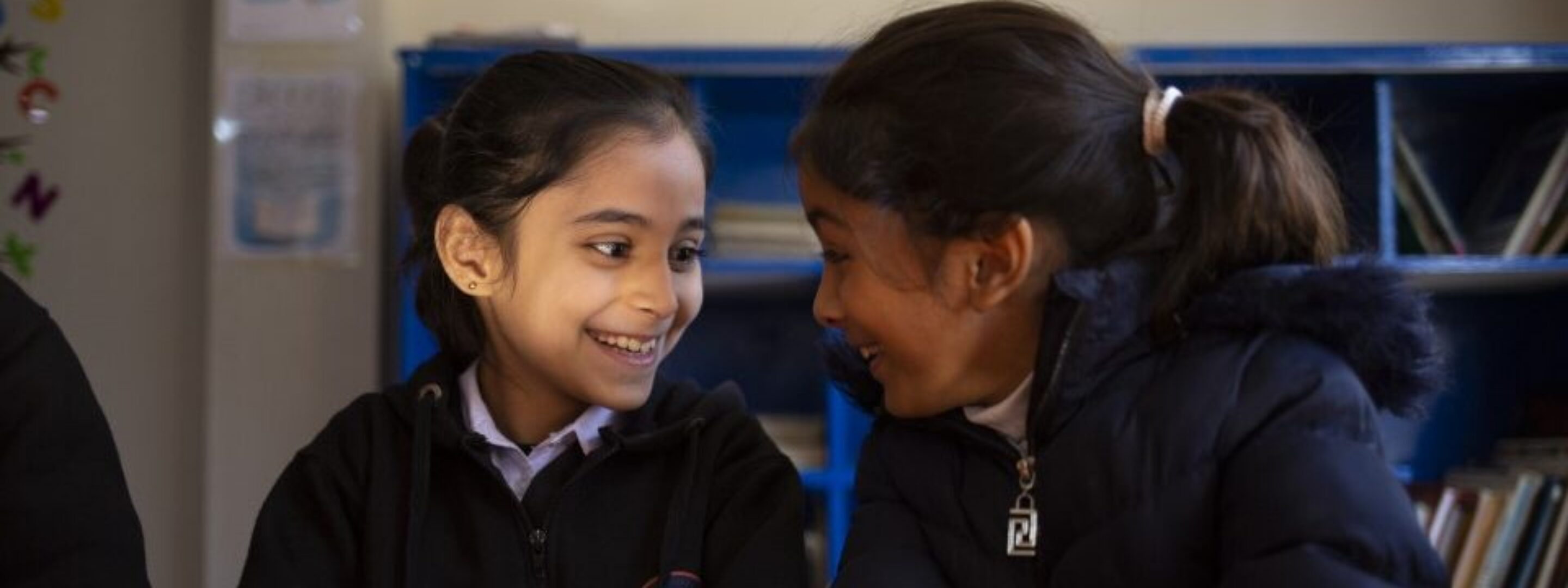
Telenor Pakistan was widely recognised as a leader in online safety and digital literacy in Pakistan. The Safe Internet initiative started in 2014, which evolved over the years from classroom activities into national-level training and parental guides, built together with Telenor Group’s global partners UNICEF.
In line with Telenor’s commitment to help people safely navigate the online world, keep pace with advancing technology and build skillsets needed for the future, Telenor Pakistan also worked with relevant local partners to deliver large scale initiatives, such as:
Child Online Protection programme: In 2022, the “Strengthening Child Online Protection” initiative formalised the partnership between Telenor Pakistan and UNICEF. Together they trained 750,000 children, caregivers, and educators through a hybrid mix of in-person workshops and online materials.
i-Champ: i-Champ was Telenor Pakistan’s flagship digital literacy programme aimed at schoolchildren, teaching safe and productive internet use through interactive training and competitions. Launched in 2014 and later expanded with Facebook’s Free Basics, it reached over 700,000 students across 1,800 schools, promoting online safety, education access, and digital empowerment for youth.
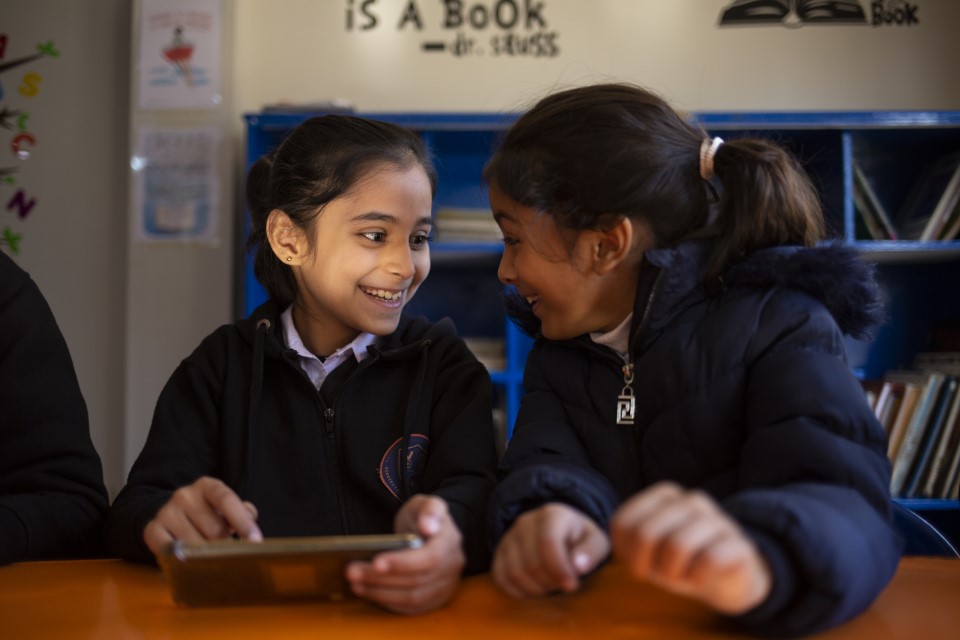
Taleemabad: In partnership with Taleemabad and the Ministry of Education, Telenor initiated a pilot to equip six Model Virtual Schools, providing IT infrastructure, tablets, and a digital learning management system. Taleemabad gamified and localised the national curriculum through animated videos and interactive quizzes to reach out-of-school children. This digital education app received GSMA funding and reached more than 1 million children across Pakistan. Taleemabad became part of Telenor’s project with UNICEF, expanding its reach and impact. The project significantly improved literacy outcomes by 20% and language skills by 33%, and increased app downloads and school onboardings, with over half a million app downloads and 486 schools onboarded.
Leading the way in climate action
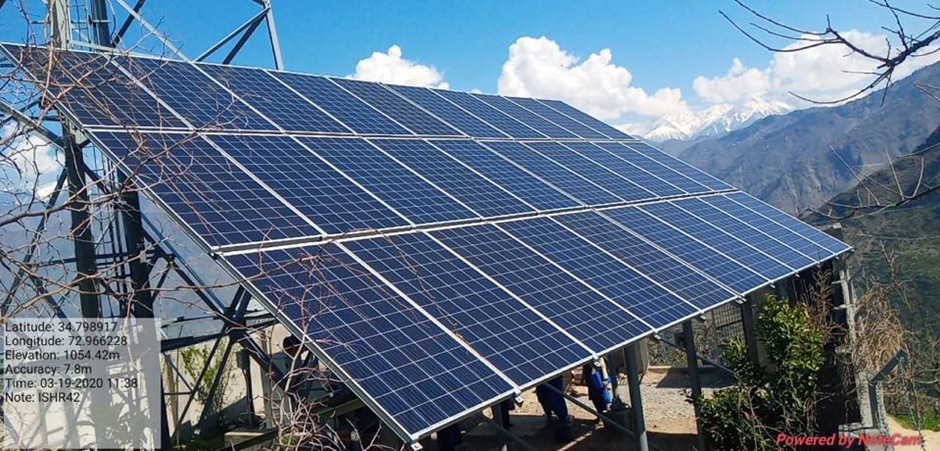
Telenor Pakistan’s solar energy initiative, Project Thunderbolt, and a comprehensive sustainability agenda, set the standard for sustainable business in Pakistan.
By powering telecom sites with solar energy and battery storage, the company significantly reduced reliance on diesel generators, cutting thousands of tons of CO₂ emissions each year. Since 2019, Telenor Pakistan reduced its greenhouse gas emissions by over 20%. This aligned with Telenor Group’s science-based climate targets, which is to reach netzero greenhousegas (GHG) emissions across its value chain by 2045.
Beyond energy efficiency, Telenor Pakistan integrated green practices across the organisation, from sustainable facilities, water recycling to low-carbon infrastructure and a Miyawaki Forest planted at Telenor Pakistan’s headquarters in Islamabad. By combining these initiatives with its network capabilities to support climate resilience and disaster communication, Telenor Pakistan demonstrated how business innovation can drive meaningful environmental and social impact.
Expanding connectivity to rural and underserved areas
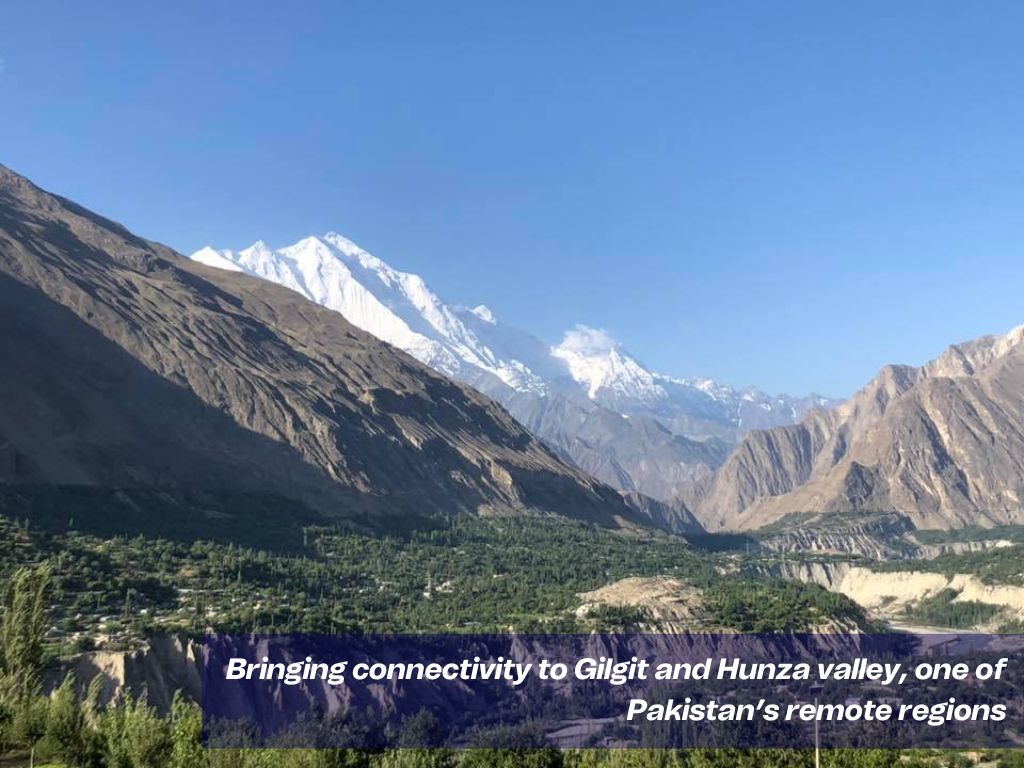
Telenor Pakistan was instrumental in expanding connectivity to rural and underserved areas through innovative shared-access models, green infrastructure, and extensive collaboration with Universal Service Fund (USF).
For example, in the remote area of Thanabulla Khan near Kirthar National Park, Telenor and USF completed the Small Lot S8 Project, deploying 24 BTS sites and connecting over 38,000 people across 81 sub-mouzas, covering 134 square km. This initiative enabled local communities to access online education, telemedicine, agri reforms, and e-commerce platforms.
Telenor Pakistan also tackled some of Pakistan’s most challenging terrains, such as the Chaghi project in Balochistan, and brought mobile voice and data services to over 150,000 people in 156 mouzas across 50,545 square km—areas previously cut off due to deserts, deluged zones, and unpredictable weather. In flood-affected regions like Khyber Pakhtunkhwa and Gilgit-Baltistan, Telenor ensured uninterrupted connectivity and offered free minutes to help families and relief agencies stay connected during emergencies.
Digital Birth Registration
Telenor Pakistan partnered with UNICEF and provincial governments to digitise birth registration, replacing a slow, paper-based system with a fast, mobile-enabled solution.
Pakistan had a birth registration rate of only 33.6%, with approximately 60 million children unregistered. This is due to multiple factors, such as high costs in time and money required for registration, and lack of awareness regarding the benefits of birth registration.
Through thousands of trained community facilitators and Telenor Pakistan’s digital infrastructure, the initiative registered more than 2.5 million children, giving them a legal identity and access to essential rights and services. After proving the model’s impact and scalability, Telenor and UNICEF formally handed the system back to the government in 2021, enabling provinces to continue expanding digital birth registration as a sustainable public service.
This project served as a blueprint for the Mobile birth and death registration program launched by Telenor Group and UNICEF in Myanmar.
See more about the DBR and its results:
Providing critical services, in-kind support and donations
Telenor Pakistan has been a consistent supporter of disaster relief across the country, leveraging both financial and operational resources to aid affected communities. This fits in line with Telenor’s broader responsible business conduct, in which the company tries to contribute positively to society beyond its business operations.
Over the years, Telenor Pakistan has provided cash, in-kind support, and critical services during major crises, including the 2005 northern-areas earthquake, 2010 floods, the 2015 KPK earthquake, the 2022 floods, and the COVID‑19 pandemic. Its contributions have included millions in cash donations, food, shelter, hygiene kits, PPE for healthcare workers, and mobile-based support to keep communities connected.
Telenor’s unique strength lies in combining its core telecom capabilities, such as resilient networks, free calls and digital payments, with partnerships with UNICEF, the Pakistan Red Crescent Society, and provincial governments. Together they ensure relief reaches those in need efficiently. Through decades of engagement, Telenor has helped millions of people access aid and rebuild their lives, demonstrating long-term commitment and impact.